Lifestyle risk factors are those risk factors which we can change. Our lifestyle includes our diet and weight management, how much exercise we do, smoking and alcohol intake.
If we can manage our lifestyle risk factors then we help to prevent further risk of Cardiovascular events occurring in the future. During your initial consultation with a clinician, they will discuss risk factors with you and discuss what you would like to do to help manage your individual risks. Sometimes we will also offer a referral to One you Lincolnshire which is a local organisation supporting the health of the population through specialist programmes.
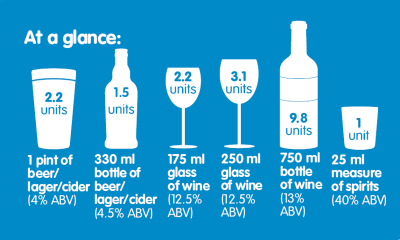
Alcohol intake
Your Cardiac rehab team will discuss alcohol intake with you during your initial consultation. Alcohol is an important risk factor to consider, particularly dependent upon your cardiac condition.
Alcohol intake can increase heart rate and blood pressure, as well as sometimes causing abnormal heart rhythms to occur.
A member of the team will be able to offer advice and support to reduce your alcohol intake.
We are also able to refer to alcohol support services if this is necessary.
Blood pressure
High blood pressure (hypertension) is a common condition. Knowing and managing your blood pressure could prevent life threatening complications like a heart attack.
Your blood pressure responds to what you are doing, and is normal for it to go up when you're active. But if your overall blood pressure is always high, then you need to do something about it.
Sometimes blood pressure can increase at times of increased stress, like in a consultation with a health care professional. If this is the case, a member of the Cardiac Rehabilitation team may recommend keeping a home blood pressure diary to get an average blood pressure reading. If needed, the team will then discuss your blood pressure with your GP and ensure appropriate medication is started or increased.
Cholesterol
High cholesterol is where you have too much cholesterol in your blood which can increase the risk of having a heart attack or stroke.
Cholesterol is a natural substance found in the liver and also found in some foods we eat. High cholesterol can increase the fatty deposits in the heart arteries which leads to Cardiovascular events.
Diabetes
Diabetes is a condition where the amount of sugar in your blood is too high. This can cause damage to the blood vessels and then increase the risk of developing heart and circulatory disease.
People with diabetes are unable to absorb glucose energy from the food we eat because there is an issue with their insulin. Type two diabetes is a common condition which is often linked to being physically inactive, excess weight and family history. By managing diabetes, we can help to reduce the risk of cardiovascular disease.
The Cardiac rehabilitation team can support you to manage your diabetes by signposting you to the GP or diabetes specialist nurses if needed.
Healthy eating and body composition
Diet is an important part of risk factor management, as it often impacts on other aspects of health. We will ask about what your diet includes and will work with you to identify any changes which we can suggest.
Dependent upon your current diet and understanding around this, your consultation length in relation to diet may vary. During your initial consultation, you may also be asked what your height and weight is. From this, we will also work our your BMI. There are various reasons weight might be important dependent upon your cardiac condition.
We will discuss your thoughts on weight management and if appropriate we can give advice on weight reduction and refer you onto weight management services if required.
Tobacco cessation and relapse
It's never too late to stop smoking, and after a Cardiac event is a great time. A clinician will ask you whether you currently smoke or whether you have in the past. This is because we know that continuing to smoke can increase your risk of further cardiac events.
If you are still smoking and feel you would benefit from support with stopping, our team are able to help you with this. We will not pressure you into stopping, we will give the facts and through a shared decision making approach we will work out what is the best course of action for you personally. We also have access to a support service which you can be referred to.